January 14, 2026
The Comprehensive Guide to Safe and Compliant Hazardous Waste Disposal Huntsville
In an era of rapid industrial growth and technological advancement, the management of toxic byproducts has become one of the most critical environmental challenges of our time. Proper hazardous waste disposal is not merely a matter of organizational hygiene; it is a fundamental pillar of public health, ecological preservation, and legal compliance. Whether you are managing an industrial facility, a medical clinic, or a research laboratory, understanding the complexities of the waste lifecycle is essential.
What Defines Hazardous Waste?
Before addressing the “how” of hazardous waste disposal Miami, Florida we must define the “what.” Under most regulatory frameworks, waste is deemed hazardous if it exhibits one or more of the following four characteristics:
-
Ignitability: Liquids with a flashpoint of less than 60C.
-
Corrosivity: Acids or bases capable of corroding metal containers.
-
Reactivity: Substances that are unstable under normal conditions, can cause explosions, or produce toxic fumes when mixed with water.
-
Toxicity: Materials that are harmful or fatal when ingested or absorbed (e.g., mercury, lead, pesticides).
The Process of Professional Hazardous Waste Disposal
Effective hazardous waste disposal Huntsville, Alabama follows a rigorous “cradle-to-grave” philosophy. This ensures that from the moment a waste material is generated until its final destruction or sequestration, it is tracked and handled with the highest safety standards.
1. Identification and Characterization
The first step is a thorough audit. Each waste stream must be analyzed to determine its chemical composition. This data dictates the type of packaging required and the ultimate disposal method. Mixing incompatible wastes during this stage is a leading cause of industrial accidents.
2. On-site Storage and Labeling
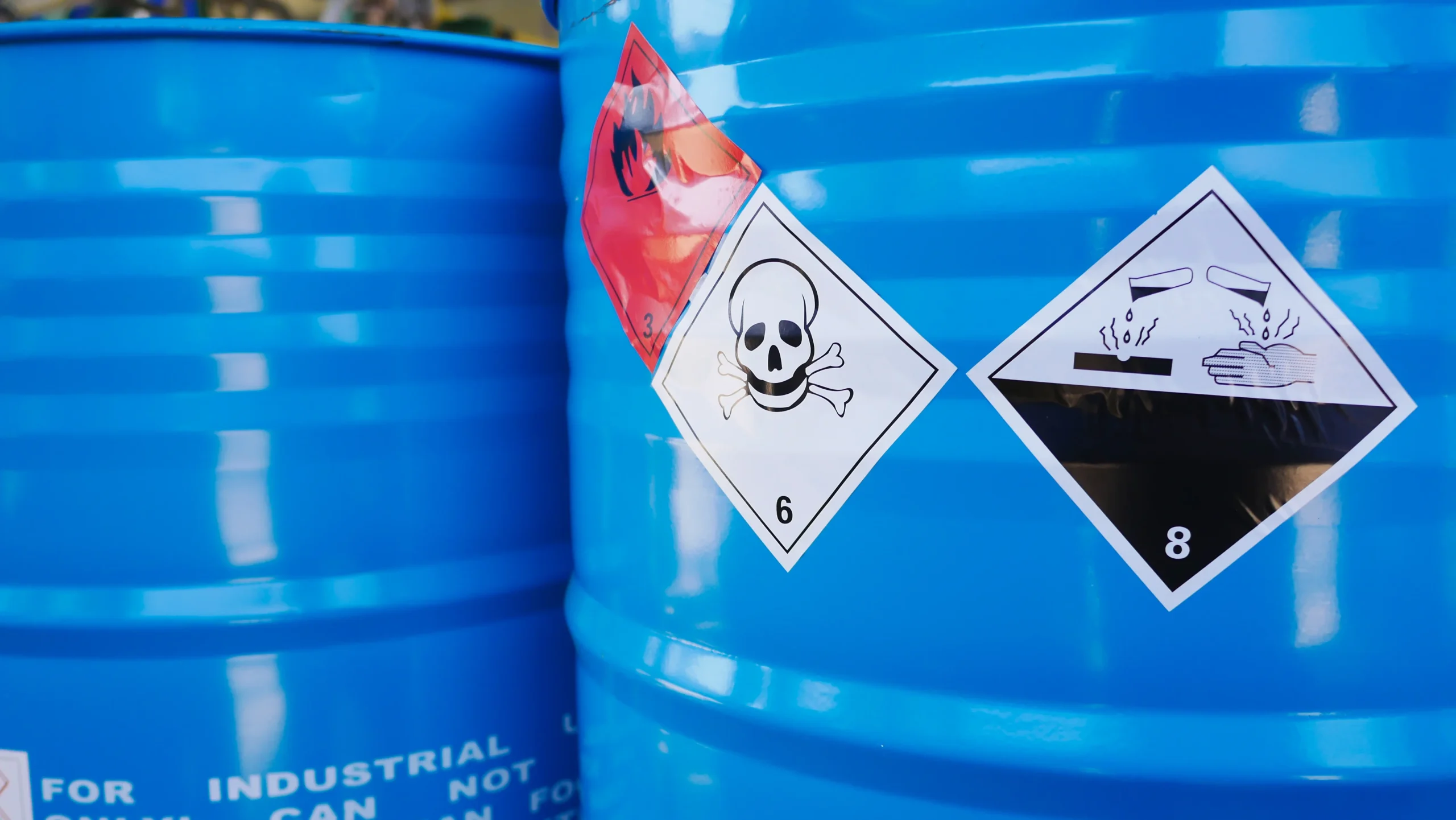
While waiting for transport, hazardous materials must be stored in specialized containers – such as high-density polyethylene (HDPE) drums or carbon steel tanks – that are resistant to the specific chemicals they hold. Labels must clearly state the contents, the date of accumulation, and the specific hazards associated with the material.
3. Transportation
Transporting these materials requires specialized vehicles and highly trained operators. Vehicles must be equipped with spill kits and secondary containment systems. During this phase, a Uniform Hazardous Waste Manifest is used to track the movement of the waste from the generator to the disposal facility.
4. Treatment and Final Disposal
This is the final stage of hazardous waste disposal Mobile, Alabama where the goal is to neutralize the threat. Common methods include:
-
Incineration: High-temperature thermal treatment that breaks down organic hazardous compounds.
-
Chemical Neutralization: Adjusting pH levels or using redox reactions to render the waste inert.
-
Secure Landfills: For waste that cannot be treated, it is placed in “cells” lined with impermeable layers of clay and synthetic membranes to prevent groundwater leaching.
Why Strict Adherence Matters
The risks of improper hazardous waste disposal Tucson, Arizona are profound. Environmental leaching can contaminate local water tables, leading to long-term health crises for nearby communities. Furthermore, the legal ramifications are severe. Regulatory bodies frequently issue massive fines to organizations that fail to document their waste streams or utilize unauthorized disposal sites.
Beyond the legalities, a robust hazardous waste disposal strategy promotes sustainability. Many modern facilities now focus on waste-to-energy programs or solvent distillation, allowing materials that were once “waste” to be recycled back into the production cycle.
Best Practices for Your Facility
To ensure your hazardous waste disposal Los Angeles, California protocol is up to standard, consider these three pillars:
-
Employee Training: Ensure every staff member understands the risks and the proper use of Personal Protective Equipment (PPE).
-
Secondary Containment: Always store drums on spill pallets to catch leaks before they reach the floor.
-
Documentation: Maintain digital records of all manifests and certificates of destruction for at least three to five years.
Managing dangerous materials is a complex responsibility that leaves no room for error. By prioritizing professional hazardous waste disposal techniques, you protect your team, your reputation, and the planet.